
The right way to hook up a gas range in your Dearborn Heights kitchen
Installing a gas range in your Dearborn Heights kitchen requires more than just connecting a few pipes. It demands strict adherence to Michigan Residential Code requirements, proper pressure testing, and leak detection protocols that only a licensed professional should handle. The process involves understanding BTU requirements, flexible connector specifications, and shut-off valve placement that protects your home and family. Michigan Department of Licensing and Regulatory Affairs.
Gas appliance installation in Dearborn Heights must comply with specific local regulations that differ from surrounding areas. The Michigan Plumbing Code mandates precise pipe sizing based on the total BTU load of all connected appliances, proper ventilation requirements, and emergency shut-off accessibility. These aren’t optional guidelines but legally required safety standards that protect against carbon monoxide poisoning and gas leaks.
Before any gas range installation begins, a licensed plumber must verify your home’s existing gas infrastructure can handle the additional load. Many Dearborn Heights homes built before 2000 have aging gas lines that may need upgrades to safely support modern high-BTU appliances. The inspection process includes checking for corrosion, proper pipe sizing, and ensuring all connections meet current code requirements.
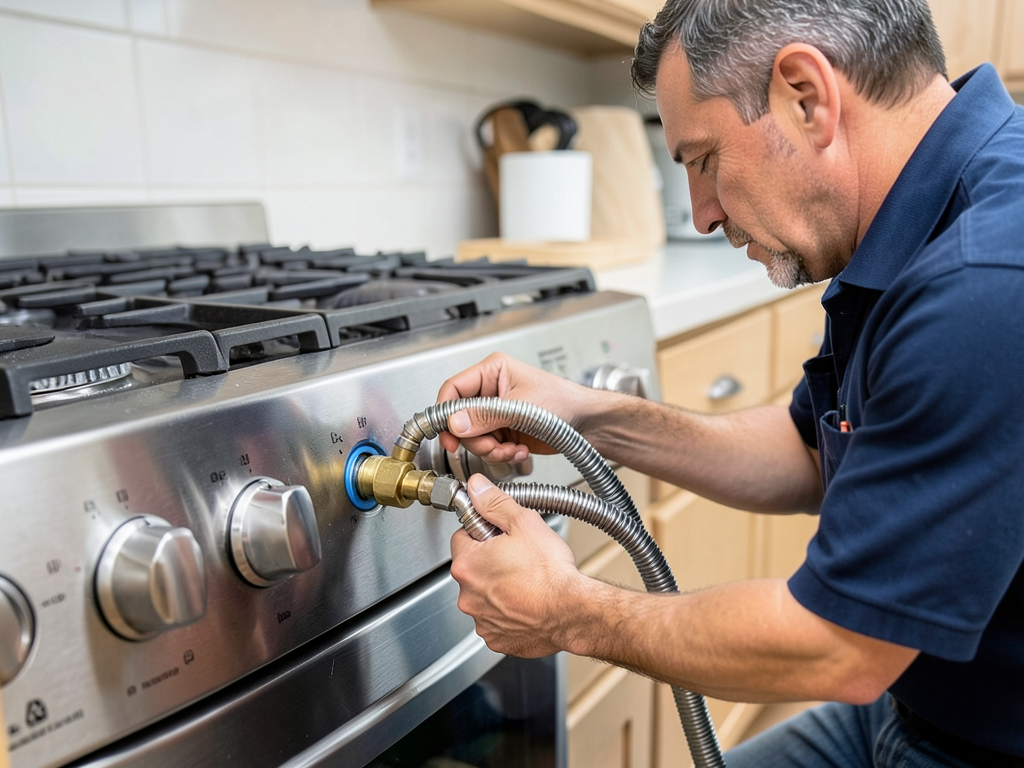
This comprehensive guide covers everything from permit requirements to final leak testing, ensuring your gas range installation meets all Dearborn Heights and Michigan state safety standards. Whether you’re replacing an electric range with gas or installing a new appliance in a kitchen renovation, understanding the proper installation process protects your investment and your family’s safety.
Why Dearborn Heights requires professional gas range installation
Gas line work falls under Michigan’s mechanical contractor licensing requirements, making DIY installation not just dangerous but illegal. The Michigan Department of Licensing and Regulatory Affairs requires all gas line modifications and appliance connections to be performed by licensed professionals who understand the specific hazards involved with natural gas systems.
Dearborn Heights experiences unique challenges due to its mix of housing stock. Many homes in the area feature original 1960s and 1970s gas infrastructure that may not meet current safety standards. The soil composition in Wayne County, with its high clay content, can accelerate pipe corrosion when gas lines are improperly installed or maintained. Professional installation accounts for these local factors that affect long-term safety.. Read more about Properly draining a sink in your Rochester Hills outdoor kitchen.
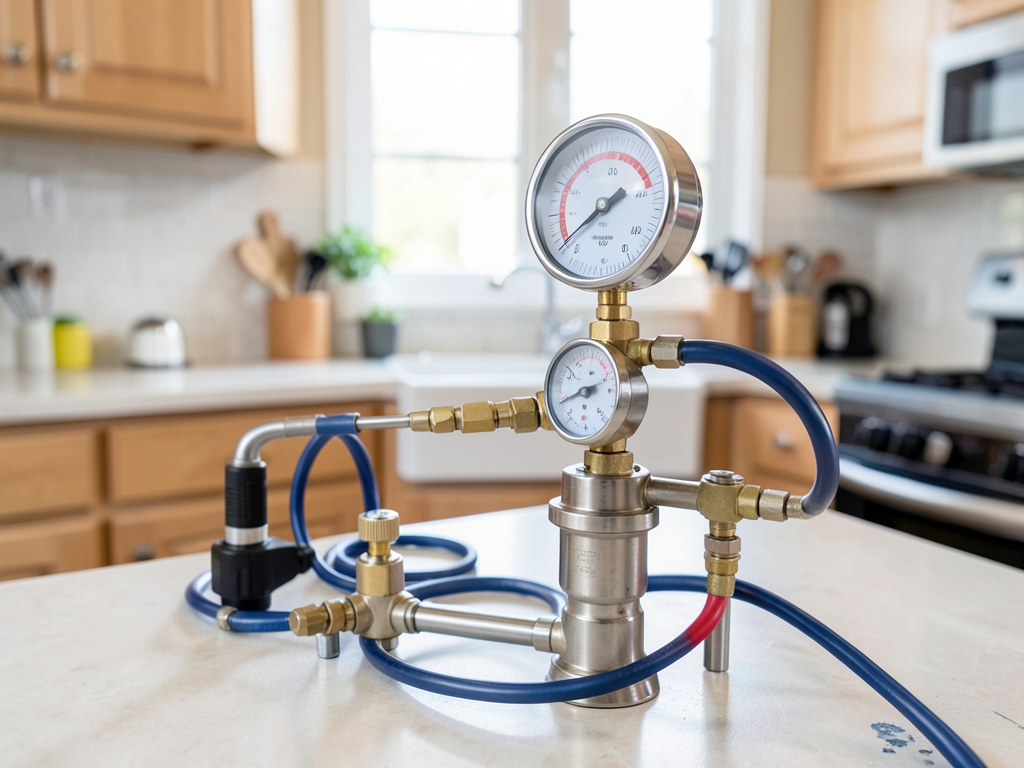
Gas leaks represent the most critical safety concern in any installation. Natural gas is odorless in its natural state, but utility companies add mercaptan for detection. Even small leaks can create explosive conditions, while carbon monoxide buildup from improperly vented appliances poses serious health risks. Professional installation includes comprehensive leak testing using calibrated manometers and electronic leak detectors that homeowners cannot access.
The Michigan Residential Code specifically addresses gas appliance installation in Section 2304, requiring pressure testing of all new or modified gas lines before connection to appliances. This testing must maintain specific pressure levels for designated time periods to verify system integrity. Only licensed professionals have the equipment and knowledge to perform these tests correctly.
Understanding BTU requirements and gas line sizing
Gas ranges are rated by their BTU output, which directly impacts the required pipe size for safe operation. A standard 30-inch gas range typically requires 30,000 to 50,000 BTUs, while professional-style ranges can demand 60,000 to 100,000 BTUs or more. The total BTU load of all gas appliances in your home determines the minimum pipe diameter needed to maintain proper gas pressure.
The Michigan Plumbing Code provides detailed sizing charts based on pipe length and total BTU demand. For example, a 50-foot run supplying 200,000 BTUs requires at least 3/4-inch diameter pipe, while the same distance supplying 400,000 BTUs needs 1-inch pipe. Undersized pipes create pressure drops that cause burner performance issues and potentially dangerous incomplete combustion. Why Your Corktown Home Needs a Professional Sewer Line Inspection Before You Buy.
Gas pressure requirements vary by appliance type. Most residential gas ranges operate at approximately 7 inches water column pressure, while commercial units may require different pressures. The gas meter and regulator must be sized to provide adequate volume at the required pressure, considering all connected appliances’ simultaneous demand. Commercial Toilet & Urinal Repair.
Flexible gas connectors, while convenient for appliance installation, have specific length limitations. The National Fuel Gas Code restricts connector length to a maximum of 36 inches for most residential applications. Longer runs require rigid black iron pipe to maintain system integrity and prevent kinking that could restrict gas flow or create leak points. National Fuel Gas Code.
Step-by-step professional gas range installation process
Professional gas range installation follows a systematic process that ensures safety and code compliance. The process begins with a comprehensive site assessment to evaluate existing gas infrastructure, electrical requirements, and ventilation needs. This assessment determines whether your Dearborn Heights home can safely accommodate the new appliance.
Permit acquisition represents a critical early step. Wayne County requires permits for all new gas line installations and major modifications to existing systems. The permit process involves submitting detailed plans showing pipe routing, appliance locations, and compliance with Michigan Residential Code requirements. Permit fees vary based on project scope but typically range from $75 to $200 for residential installations.
Gas line modification or extension follows the assessment phase. This work involves cutting into existing lines, installing new pipe sections, and ensuring all connections are properly threaded and sealed. Professional plumbers use pipe dope and gas-rated thread sealant, never standard plumbing tape, which can degrade when exposed to natural gas. The Most Trusted Plumbers for Historical Home Pipe Restoration in Indian Village.
Pressure testing occurs after all gas line work completes but before appliance connection. This test involves pressurizing the system with air or inert gas to specified levels, then monitoring for pressure drops that indicate leaks. The Michigan Plumbing Code requires pressure testing at 1.5 times the maximum working pressure for at least 15 minutes with no pressure loss.
Appliance connection involves installing the flexible connector, securing the range in position, and making final gas line connections. The shut-off valve must be installed in an accessible location, typically within 6 feet of the appliance and in the same room. The connector is then slowly opened while checking all connections with leak detection solution or electronic detectors.
Essential safety features and code requirements
Shut-off valve accessibility represents a critical safety requirement in Michigan Residential Code Section 2304.5.4. The valve must be located in the same room as the appliance, within 6 feet of the connection point, and in an accessible location that doesn’t require moving the appliance to operate. This allows quick gas shutoff during emergencies or maintenance.
Flexible gas connectors must meet specific safety standards outlined in ANSI Z21.24. These connectors are designed for easy appliance installation and removal but have limitations. They cannot pass through walls, floors, or ceilings, and must be installed without kinks, sharp bends, or strain on the connector itself. Professional installation ensures these requirements are met.
Carbon monoxide safety extends beyond proper installation. Michigan law requires carbon monoxide detectors in all homes with fuel-burning appliances, including gas ranges. Detectors must be installed outside each sleeping area and on every level of the home. Professional installers verify that your home’s ventilation system properly exhausts combustion byproducts.
Gas pressure regulation is critical for appliance safety and performance. The gas meter includes a regulator that reduces incoming gas pressure to safe levels for residential use. Some installations require additional regulators near the appliance to ensure consistent pressure delivery. Pressure that’s too high can damage appliance components, while pressure that’s too low causes poor performance.
Common installation challenges in Dearborn Heights homes
Older Dearborn Heights homes present unique installation challenges due to aging infrastructure. Many homes built in the 1960s and 1970s feature galvanized steel gas pipes that corrode from the inside out. This internal corrosion creates restriction points that reduce gas flow and increase leak risk. Professional assessment determines whether replacement is necessary.
Basement configurations in Dearborn Heights often complicate gas line routing. Many homes have finished basements where running new gas lines requires careful planning to avoid structural modifications. Existing electrical wiring, plumbing, and HVAC ductwork create additional routing challenges that require creative solutions while maintaining code compliance.
Hard water scale buildup in gas lines, while less common than in water pipes, can occur in areas with high mineral content. This buildup restricts gas flow and creates hot spots that accelerate pipe degradation. Professional cleaning or replacement may be necessary before installing new high-BTU appliances that demand maximum gas flow. The Best Drain Cleaning Services for Older Houses in Grosse Pointe.
Soil conditions in Wayne County affect underground gas line installations. The high clay content retains moisture and can accelerate corrosion in improperly protected pipes. Professional installation includes proper burial depth, protective sleeves where required, and corrosion-resistant materials that extend system life in local soil conditions.
Cost factors and permit considerations
Gas range installation costs in Dearborn Heights vary based on several factors. Simple appliance swaps where existing gas lines are adequate typically cost $150 to $300 for professional installation. However, new gas line installations or major modifications can range from $500 to $2,000 or more, depending on complexity and materials required.
Permit costs represent a fixed expense but vary by municipality. Wayne County permit fees for residential gas work typically range from $75 to $200, with additional inspection fees of $50 to $100. Some municipalities offer reduced fees for simple appliance connections, while major modifications require higher permit costs.
Material costs impact overall installation expenses. Flexible connectors cost $30 to $80, while black iron pipe ranges from $2 to $10 per foot depending on diameter. Fittings, valves, and other components add to material costs. Professional installation includes all necessary materials, eliminating guesswork about what’s required.
Emergency service availability affects pricing during non-business hours. Gas line work requires immediate attention when leaks are detected, and emergency service calls typically incur premium rates. Having a licensed professional’s contact information readily available prevents delays when urgent situations arise.
Electric to gas conversion considerations
Converting from electric to gas ranges involves more than just gas line installation. Electric ranges require 240-volt circuits, while gas ranges typically need only 120-volt power for ignition and controls. This electrical modification often requires an electrician’s services in addition to plumbing work, adding to overall project costs.
The existing electrical outlet location may not align with the new gas range’s power requirements. Gas ranges need standard 120-volt outlets, but the existing 240-volt outlet must be properly capped and removed. This electrical work must be coordinated with gas installation to ensure safe, code-compliant operation.
Ventilation requirements may change with gas appliance installation. While electric ranges produce minimal combustion byproducts, gas ranges generate carbon monoxide and water vapor that require proper exhaust. Existing ventilation may need modification or replacement to handle the different exhaust characteristics of gas appliances.
Utility company coordination may be necessary for major conversions. Switching from electric to gas appliances increases natural gas demand, potentially requiring meter upgrades or service line modifications. Professional installers coordinate with utility companies to ensure adequate gas supply for the new appliance load.
Maintenance and safety tips for gas ranges
Regular maintenance ensures safe, efficient gas range operation. Annual inspection of gas connections, burner performance, and ventilation systems helps identify potential issues before they become safety hazards. Professional maintenance includes checking for gas leaks, verifying proper burner adjustment, and cleaning components that affect performance.
Proper cleaning practices prevent performance issues and safety hazards. Burner ports can become clogged with food debris, causing uneven flames or complete burner failure. Regular cleaning with appropriate tools prevents these issues while avoiding damage to delicate components. Never use abrasive cleaners on gas range surfaces.
Ventilation system maintenance is critical for gas appliance safety. Range hood filters should be cleaned or replaced regularly to maintain proper exhaust flow. Blocked vents can cause carbon monoxide buildup and poor indoor air quality. Professional inspection ensures the entire ventilation system functions correctly.
Emergency procedures every homeowner should know include gas shut-off valve locations and operation. The main gas shut-off valve, typically located near the gas meter, can stop all gas flow to the home in emergencies. Individual appliance shut-off valves provide localized control for maintenance or emergency situations.
Choosing the right professional for your installation
Selecting a qualified professional requires verifying proper licensing and insurance. Michigan requires mechanical contractors to hold specific licenses for gas line work. Ask for license numbers and verify them with the Michigan Department of Licensing and Regulatory Affairs. Insurance should include both liability coverage and workers’ compensation.
Experience with local building codes matters significantly. Dearborn Heights and Wayne County may have specific requirements beyond state code minimums. Professionals familiar with local inspection practices and permit processes complete installations more efficiently and avoid costly corrections due to code violations.
References and reviews provide insight into work quality and customer service. Ask for references from recent gas appliance installations in the Dearborn Heights area. Online reviews can indicate reliability, communication quality, and problem-solving abilities when unexpected issues arise during installation.
Written estimates protect both homeowner and contractor. Detailed estimates should specify all work to be performed, materials to be used, permit costs, and total project pricing. Avoid contractors who provide vague verbal estimates or refuse to put terms in writing before beginning work.
Frequently Asked Questions
Do I need a permit to install a gas range in Dearborn Heights?
Yes, Wayne County requires permits for all new gas line installations and major modifications to existing gas systems. The permit process ensures compliance with Michigan Residential Code requirements and includes required inspections for safety verification.
How long does professional gas range installation take?
Simple appliance swaps typically take 1-2 hours when existing gas lines are adequate. New gas line installations or major modifications may require 4-8 hours or multiple visits, depending on complexity and permit inspection requirements.
Can I install a gas range myself to save money?
No, Michigan law requires licensed professionals to perform all gas line work. DIY installation is illegal and dangerous, potentially creating explosion hazards and carbon monoxide risks that professional installation prevents through proper testing and code compliance.
What’s the difference between flexible and rigid gas connectors?
Flexible connectors allow easy appliance installation and removal but have length limitations (typically 36 inches maximum). Rigid black iron pipe is required for longer runs and provides greater durability. Professional installers determine which type is appropriate for each application.
How do I know if my home’s gas system can handle a new range?
A professional assessment measures existing gas pressure, evaluates pipe sizing, and calculates total BTU load of all connected appliances. Many older Dearborn Heights homes require system upgrades to safely support modern high-BTU appliances.
Protect your home with professional gas range installation
Gas range installation in Dearborn Heights requires expertise that goes far beyond basic plumbing skills. The combination of Michigan Residential Code compliance, proper pressure testing, and leak detection protocols demands professional knowledge that protects your home and family. Don’t risk the dangers of improper installation for the sake of saving a few dollars.
Professional installation ensures your new gas range operates safely and efficiently while meeting all local code requirements. From permit acquisition through final testing, experienced plumbers handle every detail, giving you peace of mind that your investment is protected. The cost of professional installation pales compared to the potential expenses of gas leaks, carbon monoxide exposure, or code violation corrections.
Ready to upgrade your kitchen with a new gas range? Call (313) 572-4144 today to schedule your professional installation. Our licensed Dearborn Heights plumbers understand local requirements and will ensure your new appliance is installed safely and correctly the first time. Don’t wait until it’s too late – proper installation today prevents dangerous problems tomorrow.
For emergency gas line issues or immediate installation needs, our 24/7 emergency service is available. Gas line problems require immediate professional attention, and our experienced team responds quickly to protect your home and family. Call (313) 572-4144 now for fast, reliable service you can trust. Finding a Reliable Emergency Plumber in Midtown Detroit When Your Pipes Burst.
Remember, when it comes to gas appliances, cutting corners isn’t just risky – it’s illegal. Trust the licensed professionals at Ironwood Plumbing Detroit to handle your gas range installation with the expertise and care your home deserves. Your family’s safety is worth the investment in professional installation.
{
“@context”: “https://schema.org”,
“@type”: “BlogPosting”,
“headline”: “The right way to hook up a gas range in your Dearborn Heights kitchen”,
“description”: “Professional gas stove installation in Dearborn Heights by licensed Detroit plumbers. Learn safety protocols, Michigan code compliance, and local permit requirements for your kitchen.”,
“wordCount”: 2722,
“datePublished”: “2026-04-11T10:33:00.000Z”,
“dateModified”: “2026-04-11T10:33:00.000Z”,
“inLanguage”: “en-US”,
“mainEntityOfPage”: {
“@type”: “WebPage”,
“@id”: “https://ironwoodplumbingdetroit.com”
},
“publisher”: {
“@type”: “LocalBusiness”,
“name”: “Ironwood Plumbing Detroit”,
“url”: “https://ironwoodplumbingdetroit.com”
},
“author”: {
“@type”: “Organization”,
“name”: “Ironwood Plumbing Detroit”,
“url”: “https://ironwoodplumbingdetroit.com”
},
“image”: {
“@type”: “ImageObject”,
“url”: “https://ironwoodplumbingdetroit.com/wp-content/uploads/2026/03/the-right-way-to-hook-up-a-gas-range-in-your-dearb-1.png”
}
}
{
“@context”: “https://schema.org”,
“@type”: “Plumber”,
“name”: “Ironwood Plumbing Detroit”,
“url”: “https://ironwoodplumbingdetroit.com”,
“address”: {
“@type”: “PostalAddress”,
“addressLocality”: “Detroit”
},
“areaServed”: {
“@type”: “City”,
“name”: “Detroit”
}
}
{
“@context”: “https://schema.org”,
“@type”: “FAQPage”,
“mainEntity”: [
{
“@type”: “Question”,
“name”: “Do I need a permit to install a gas range in Dearborn Heights?”,
“acceptedAnswer”: {
“@type”: “Answer”,
“text”: “Yes, Wayne County requires permits for all new gas line installations and major modifications to existing gas systems. The permit process ensures compliance with Michigan Residential Code requirements and includes required inspections for safety verification.”
}
},
{
“@type”: “Question”,
“name”: “How long does professional gas range installation take?”,
“acceptedAnswer”: {
“@type”: “Answer”,
“text”: “Simple appliance swaps typically take 1-2 hours when existing gas lines are adequate. New gas line installations or major modifications may require 4-8 hours or multiple visits, depending on complexity and permit inspection requirements.”
}
},
{
“@type”: “Question”,
“name”: “Can I install a gas range myself to save money?”,
“acceptedAnswer”: {
“@type”: “Answer”,
“text”: “No, Michigan law requires licensed professionals to perform all gas line work. DIY installation is illegal and dangerous, potentially creating explosion hazards and carbon monoxide risks that professional installation prevents through proper testing and code compliance.”
}
},
{
“@type”: “Question”,
“name”: “What’s the difference between flexible and rigid gas connectors?”,
“acceptedAnswer”: {
“@type”: “Answer”,
“text”: “Flexible connectors allow easy appliance installation and removal but have length limitations (typically 36 inches maximum). Rigid black iron pipe is required for longer runs and provides greater durability. Professional installers determine which type is appropriate for each application.”
}
},
{
“@type”: “Question”,
“name”: “How do I know if my home’s gas system can handle a new range?”,
“acceptedAnswer”: {
“@type”: “Answer”,
“text”: “A professional assessment measures existing gas pressure, evaluates pipe sizing, and calculates total BTU load of all connected appliances. Many older Dearborn Heights homes require system upgrades to safely support modern high-BTU appliances.”
}
}
]
}
{
“@context”: “https://schema.org”,
“@type”: “BreadcrumbList”,
“itemListElement”: [
{
“@type”: “ListItem”,
“position”: 1,
“name”: “Home”,
“item”: “https://ironwoodplumbingdetroit.com”
},
{
“@type”: “ListItem”,
“position”: 2,
“name”: “Blog”,
“item”: “https://ironwoodplumbingdetroit.com/blog”
},
{
“@type”: “ListItem”,
“position”: 3,
“name”: “The right way to hook up a gas range in your Dearborn Heights kitchen”
}
]
}
{
“@context”: “https://schema.org”,
“@type”: “Service”,
“serviceType”: “Plumbing”,
“provider”: {
“@type”: “LocalBusiness”,
“name”: “Ironwood Plumbing Detroit”,
“url”: “https://ironwoodplumbingdetroit.com”
},
“areaServed”: {
“@type”: “City”,
“name”: “Detroit”
},
“description”: “Professional gas stove installation in Dearborn Heights by licensed Detroit plumbers. Learn safety protocols, Michigan code compliance, and local permit requirements for your kitchen.”
}